Vault & Vale

Guide to construction

Asking how an object is made

Ask how an object is put together. Materials, joins and finishes can differ across a single piece, and clear questions help you understand what is original, altered or still unknown.

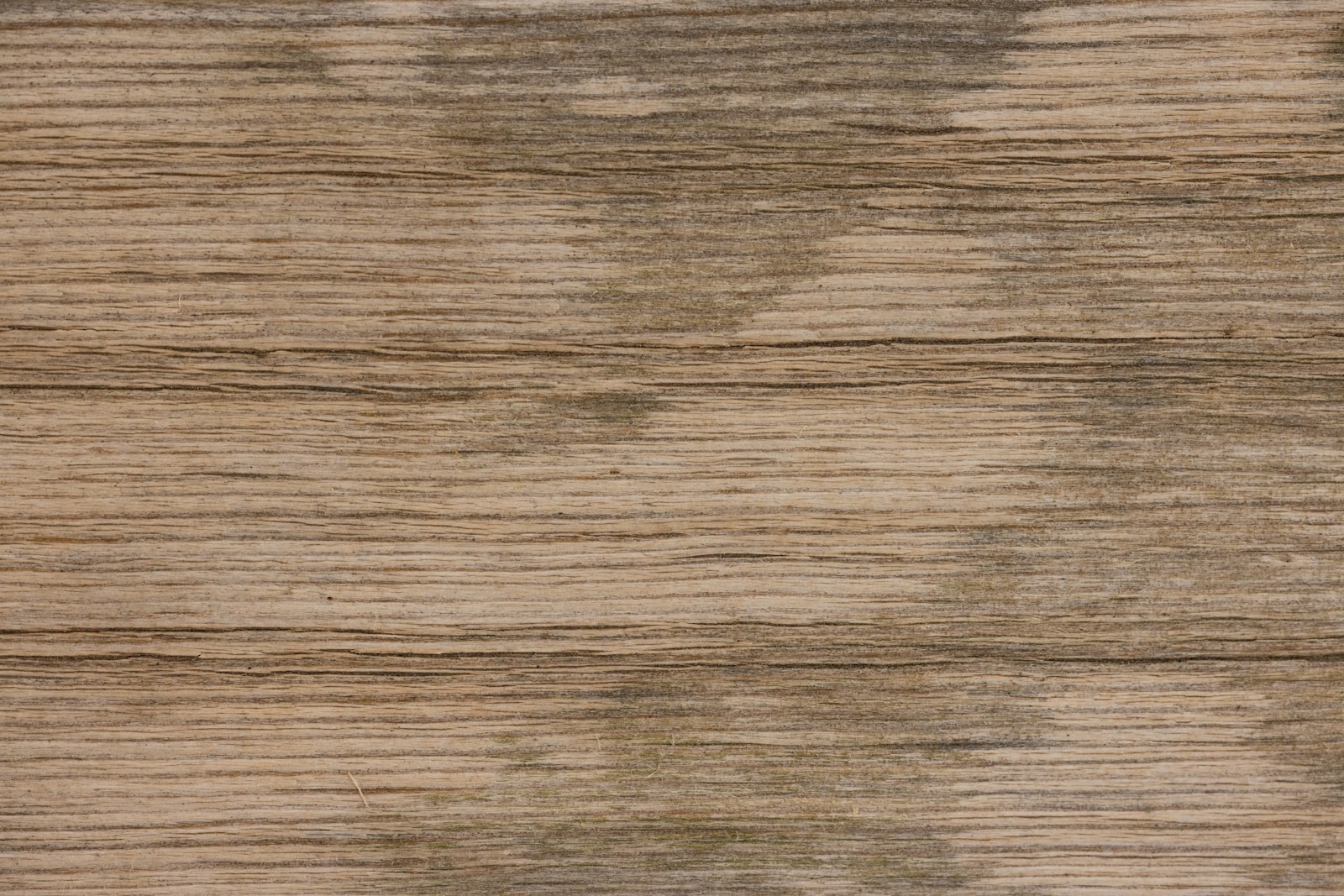
A close view of a worn, weathered wood surface
A worn wood surface, shown to illustrate colour, grain and wear. Stock photography, not an available item.

What can I observe about the material?

Start with what you can see and feel: colour, grain, sheen, weight, texture, edges and how the surface has worn. Describe these plainly rather than naming a material you are not sure of.

Appearance alone cannot tell you what something is made of. Different materials can look alike, and finishes can change how a surface reads. Ask what is known about the material, and how that is known, instead of assuming.

  • Describe colour, grain, weight, wear and finish in plain words.
  • Do not infer composition from appearance alone.
  • Ask how any stated material is known.
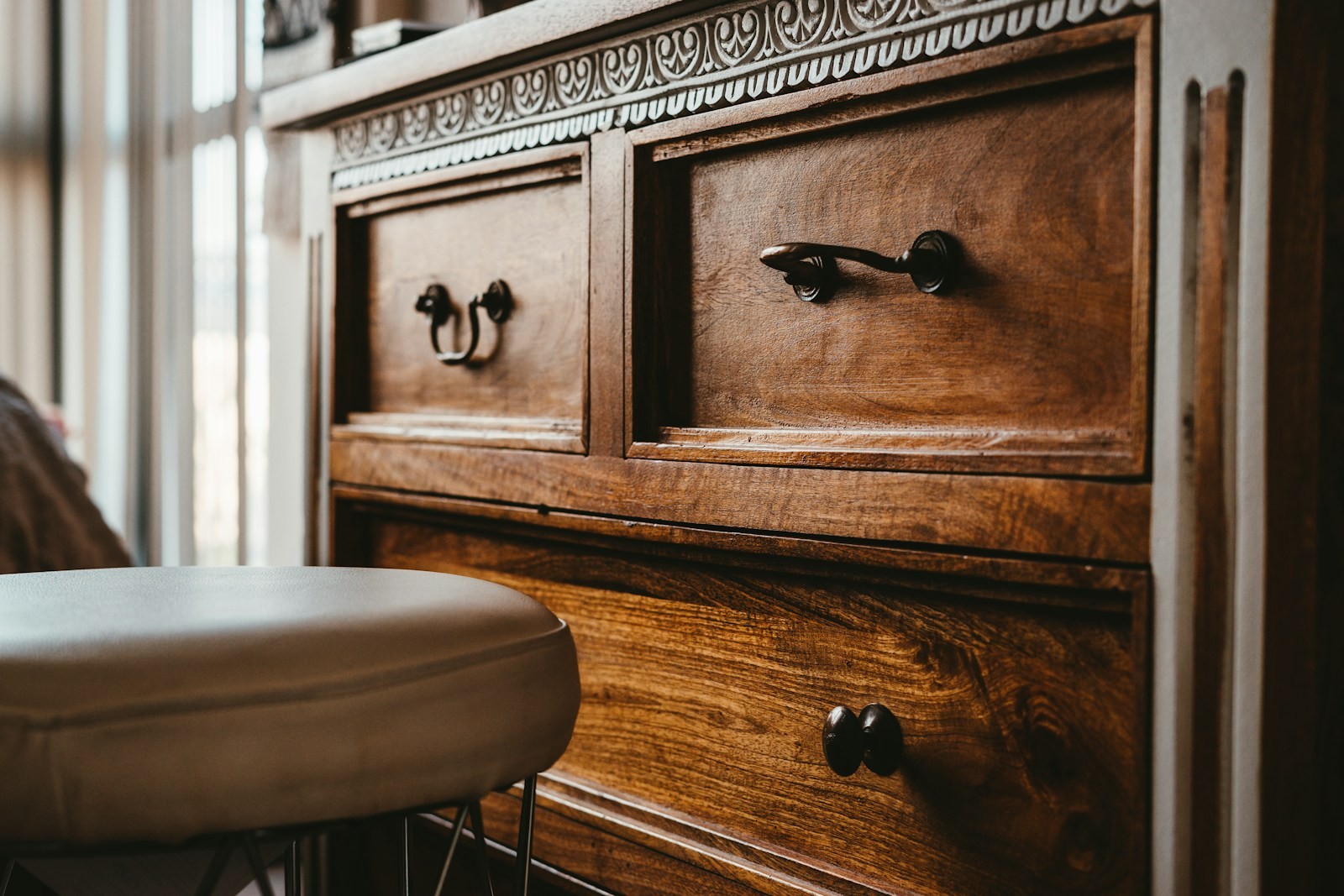
A wooden chest of drawers with visible drawer fronts and handles
Visible drawer fronts and handles on a wooden chest. The photograph shows the outside only and says nothing about concealed construction. Stock photography, not an available item.

Which construction details should I ask about?

Look at where parts meet: joints, hinges, fixings, handles, feet, linings and backs. Ask whether components look matched or mixed, whether any appear replaced, and whether anything has been altered, repaired or added later.

Differences in colour, wear, fixings or style between neighbouring parts are worth asking about. Vault & Vale does not claim to test components, so treat any answer as a description from the information available, not a technical assessment.

  • Check joints, fixings, handles, feet, linings and backs.
  • Ask which parts look replaced, matched or altered.
  • A description is not a laboratory or technical test.

How does this affect intended use?

Uncertainty about construction affects how you might display or handle a piece. A joint that looks loose, a part that seems replaced or a surface of unknown finish are all reasons to ask before lifting, loading or using an object.

If you want to use something functionally, whether for sitting, storing, serving or carrying, seek suitable advice first. A description of an object is not a statement that it is safe to use in that way.

  1. Ask about stability and handling before moving or displaying a piece.
  2. Seek suitable advice before any functional use.
  3. Description is not an assurance of safety.

What information is still missing?

A short summary of what you have observed and what remains unanswered makes an enquiry easier to answer. Cover the material, any parts you suspect differ, and the state of the finish, then link it with questions about condition and care.

We do not offer restoration or repair. Questions about condition are covered in the condition guide, and general handling in the care pages.

  • List what you can see and what you cannot confirm.
  • Mention any parts or finishes that look different.
  • Connect your questions to condition and care.

Choose a layer to question

Select material, joins or finish to see what to look for and a question you can adapt. These are prompts for your own enquiry, not findings about any object.

Material

Note colour, grain, weight and the way the surface has aged. Appearance suggests possibilities only, so ask how the material was identified, or whether it has not been.

The surface looks like timber, but I cannot tell the type or whether it is solid or veneered. What is known about it?

Joins and parts

Look at where components meet and whether fixings, wear or colour differ between neighbouring parts. Mismatches are not proof of replacement but are worth asking about.

The handles and the drawer fronts show different wear. Do any parts appear replaced or altered, and how can you tell?

Finish and surface

Compare worn, polished, painted or coated areas. A surface may have been refinished, so ask what is known about it instead of assuming it is untouched.

The surface is worn in places and glossy in others. Is any of the finish known to be later, and how does that affect handling?

Copy the draft into an email to [email protected]. Open your email app to review the message. If your text is not included, copy it manually. Nothing is sent or stored by this page.

Open your email app ↗

Your draft stays on this page. Read each layer, edit the draft, or copy it into your own email app.

Vault & Vale / Correspondence

Ask about materials and construction

Tell us which object interests you and which parts, joins or finishes you would like to understand. We will reply to your enquiry by email.

Ask about construction ↗