Vault & Vale
Home

Collecting

Collecting: a way to decide before you ask

Build a collection around an interest you can describe. This page sets out how to narrow a theme, compare objects with notes, find the guide that answers your current question and decide when to get in touch.

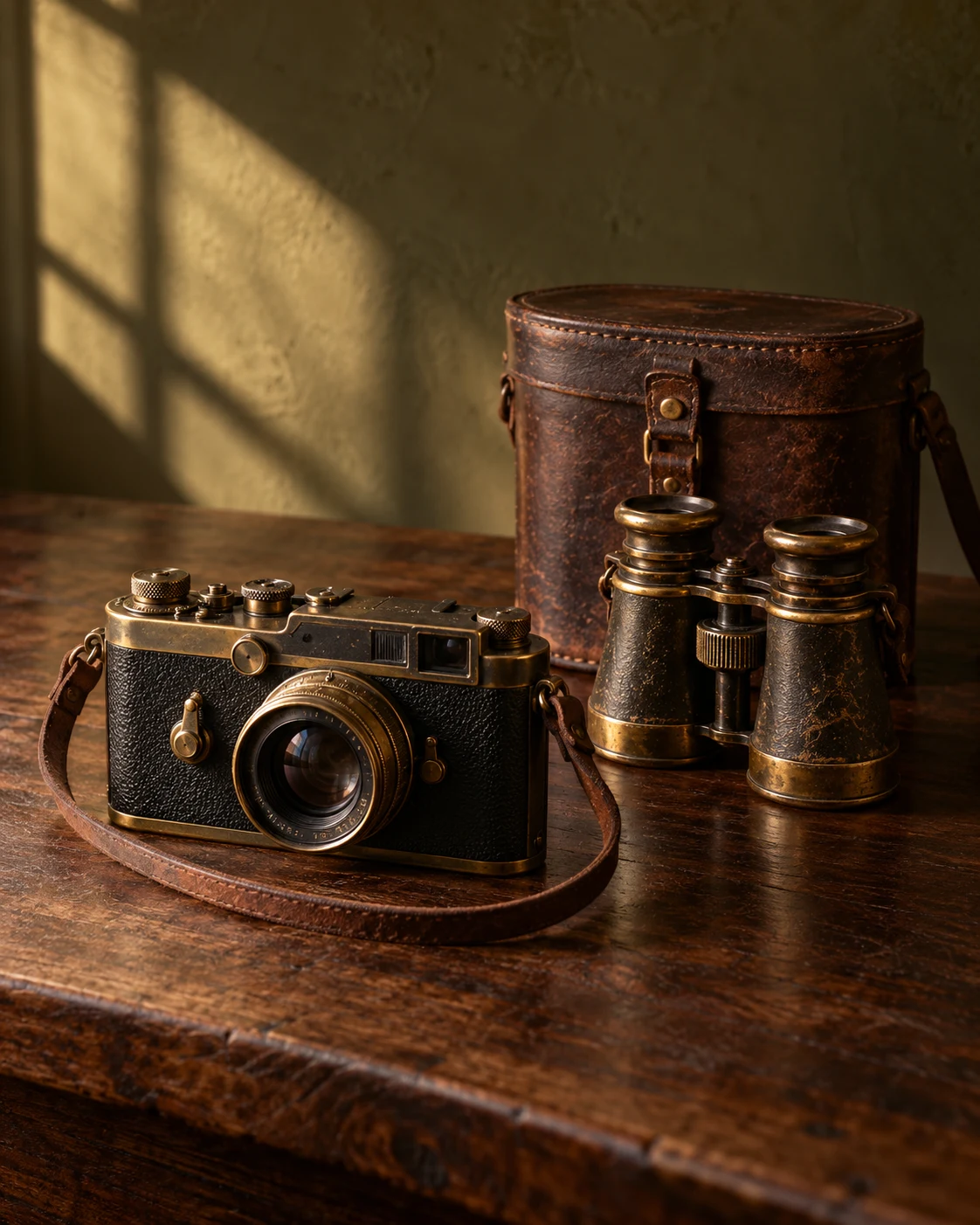
Illustrative vintage camera, brass binoculars and leather case in a warmly lit study.
A collecting interest · illustrative object study

What do you want to collect?

Start with a theme you care about, such as a place, a trade, a kind of object or a period of design. Then note the characteristics you prefer: material, size, style, decoration. Finally, set practical limits, such as the space you have, how you would display or store pieces, and the budget you are comfortable with.

Put these into two or three sentences. A description like that is easier to compare against than a vague wish, and it makes any later question to us much clearer.

How should you compare candidates?

Keep a note for each candidate covering relevance to your focus, dimensions, condition, the evidence you have and any costs still to be confirmed. Costs might include carriage or packing, which should always be asked about rather than assumed.

A hypothetical example: you are considering two small boxes. The first is the right size, with a visible maker's mark, and a hinge that needs checking. The second has no mark and a slightly different size. Your notes show that the first has more evidence but an open condition question, and the second has less evidence but fewer queries. You then know exactly what to ask.

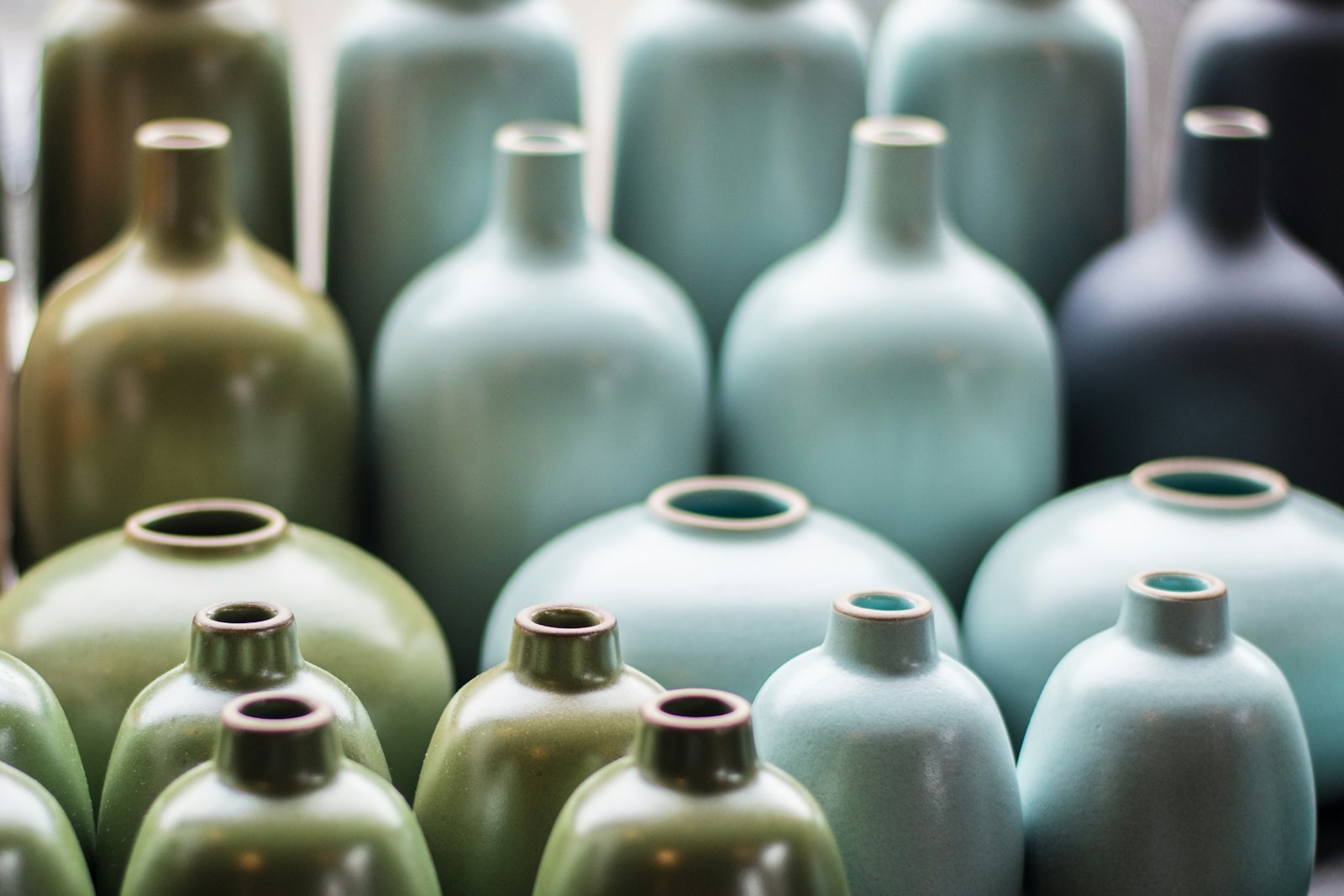
Rows of filed stoneware jugs seen close together
Stoneware jugs, a close view of similar forms; illustrative photography, not available stock.
  • One note per candidate, in the same format.
  • Separate what you know from what you have been told.
  • List costs you still need confirmed.

Which guide answers your present question?

If your question is whether the item is in good shape, the condition guide helps you look at wear, damage and repair. If you wonder where it has been or who made it, the provenance and attribution guide explains what evidence can and cannot show. For stamps, signatures and hallmarks, the makers' marks guide is the place. For what an object is made of and how it was put together, use the materials and construction guide.

For books, the editions and publication details guide helps you work out which version you are looking at, while the condition and completeness guide covers missing plates, bindings and pages. Pick the guide that matches the question you cannot yet answer, not the one that sounds most impressive.

  1. Worried about wear or damage: condition.
  2. Unsure who made it or its history: provenance and marks.
  3. Unsure what it is made of: materials and construction.
  4. Choosing a book: editions, then condition and completeness.

Are you ready to ask about an item?

You are ready when you can say what you are looking for, how this item fits it, what you already know and what you still need to learn. If any of these is missing, the getting started page is a gentler next step.

Collecting is a personal interest and nothing on this site treats it as an investment. Ask because you want the object, not because of what it might be worth later.

Getting started with collecting ↗
  • Can you describe your focus in a sentence?
  • Do you have a short note on the item and your open questions?
  • Do you know what you need confirmed before deciding?

Map your next decision

Choose the decision you are facing. A short example appears with a question you can adapt, and the draft below can be edited before it is opened in your own email app.

Narrowing my focus

You like several kinds of object and cannot settle. Pick the thread you would least like to give up and describe it, then use it to judge candidates.

I am drawn to both glassware and small metal boxes. Which details should I note to help me choose one focus?

Getting started with collecting ↗

Comparing two candidates

Two items both appeal. Write the same set of notes for each, covering relevance, size, condition and evidence, then ask only about the gaps.

I am comparing two items of similar size. Can you confirm the condition and any marks on each so I can compare them fairly?

Assessing condition ↗ Provenance and attribution ↗

Ready to enquire

You have a focus, notes and a clear gap. Send those, plus what you need confirmed, so the reply can be specific rather than general.

I have noted what I know about this item. Could you confirm the remaining details and any costs before I decide?

Describe your collecting interest ↗

Edit or copy the draft into an email to [email protected]. Open your email app to review the message. If your text is not included, copy it manually. Nothing is sent from this page.

Open your email app ↗

Your draft stays on this page. Choose a decision to read its example, or copy the draft into your own email app.

Vault & Vale / Correspondence

Ready to ask about an item?

Read how buying by enquiry works, then write to us with your notes. Your message is prepared in your own email app and is only sent when you choose to send it.

See how buying by enquiry works ↗