
Books · Condition and completeness
Book condition and completeness: what to ask
Know what is present, altered or missing. This page sets out the questions that bring those answers into view for a particular copy, and shows how your intended use changes which of them matter most.
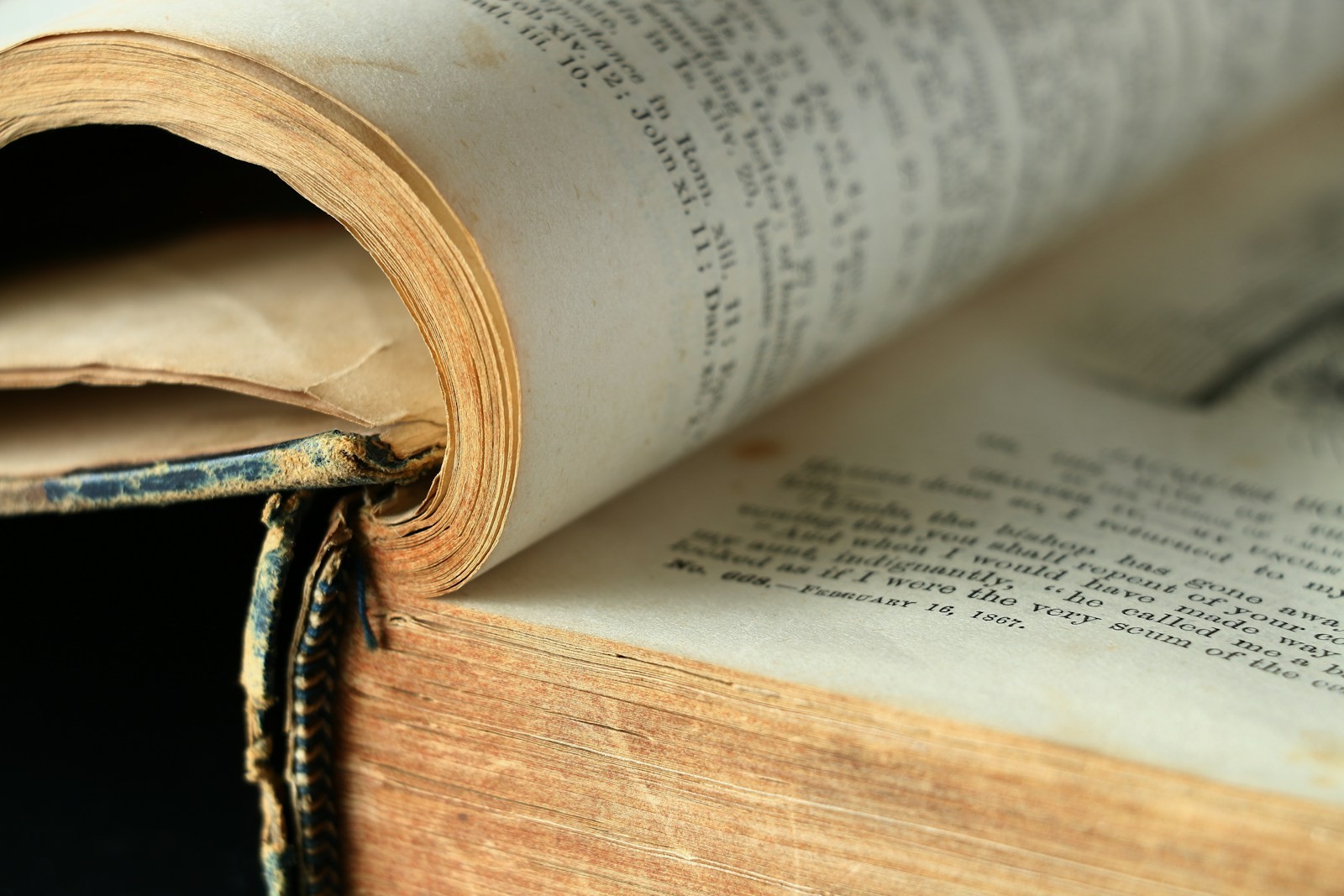
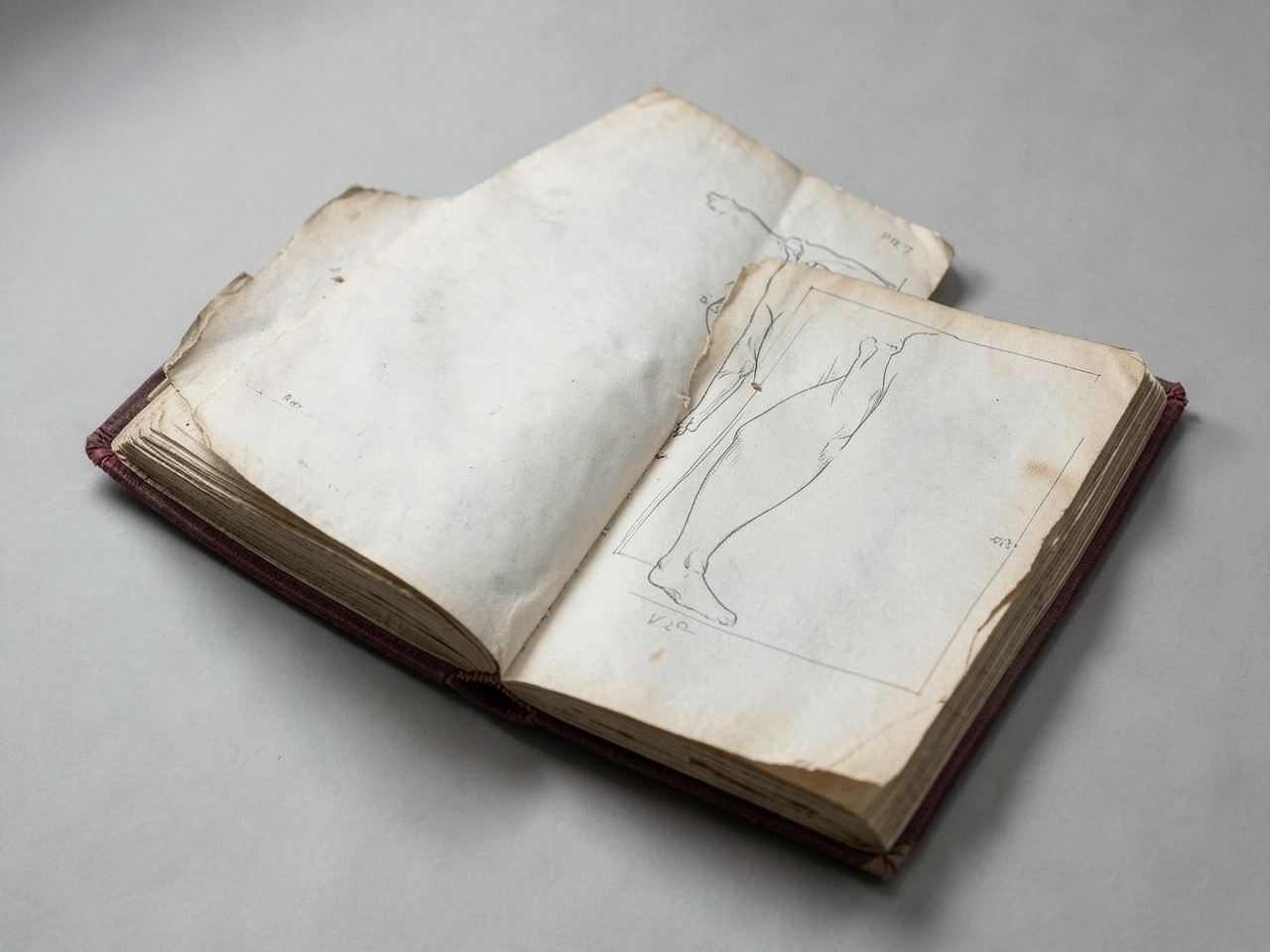
The binding and the body of the book
Begin with how the book is held together. Ask whether the covers are firmly attached, whether the joints and spine are sound, and whether the pages are secure in the binding or loose. A book can look sound from the outside and still open poorly, so ask how it behaves when opened.
Then ask about marks on the pages: staining, damp marks, annotations, inscriptions and ownership marks. Ask also whether anything has been repaired or replaced, and if so what and how. Plain descriptions of what can be seen are more useful than a single word such as good or fair.
- Ask how covers, joints and spine are attached.
- Ask about staining, marks, inscriptions and annotations.
- Ask what, if anything, has been repaired or replaced.
What should be present
Completeness means the copy has everything it was issued with, which can include plates, maps, a frontispiece, advertisements or supplementary parts. Ask whether any leaves, plates or supplements are missing, and whether any have been added from another copy.
Ask also what the statement of completeness rests on. It might be a page-by-page check or a comparison with a reference, and the answer tells you how far to rely on it. There is no one rule for every title, so be wary of any claim that does not explain its basis.
- Ask about missing or added leaves, plates and supplements.
- Ask what basis supports a claim of completeness.
- Expect the answer to differ from title to title.
Which limitations matter for your use
The same flaw weighs differently depending on what the book is for. If you mean to read it, a firm binding and legible, complete text may matter more than an unmarked cover. If it will be displayed, the outside and the spine may count for more.
If you are collecting, completeness, originality and the nature of any repair can matter a great deal. Decide which of these comes first for you before you write, so your questions are shaped by it. Nothing here is a grade for any book on offer.
- Reading favours a sound binding and complete text.
- Display favours the appearance of the outside.
- Collecting favours completeness and originality.
What to ask before proceeding
Keep two sets of questions apart: one about completeness, one about physical condition. Separate questions get clearer answers, and the checklist below helps you build them without leaving anything out.
If you still need the title page and printing details, the publication details page covers those, and the care page for antique books covers looking after a book once it is yours. Your message opens in your own email app to review and send to [email protected]; the site sends nothing.
- Ask completeness and condition as separate questions.
- Say whether you plan to read, display or collect.
- Review the text before sending it yourself.
Vault & Vale / Correspondence
Ask about a copy's condition and completeness
Say what you plan to do with the book and what you want to know. The enquiry page prepares your message in your own email app for you to review and send.
Prepare a condition enquiry ↗ [email protected]