Vault & Vale

Guide to displaying a collection

Displaying a collection: plan the space before the object

Check the space as carefully as the object. A few measurements and questions, gathered before you ask, make it much easier to tell whether a piece could suit the place you have in mind.

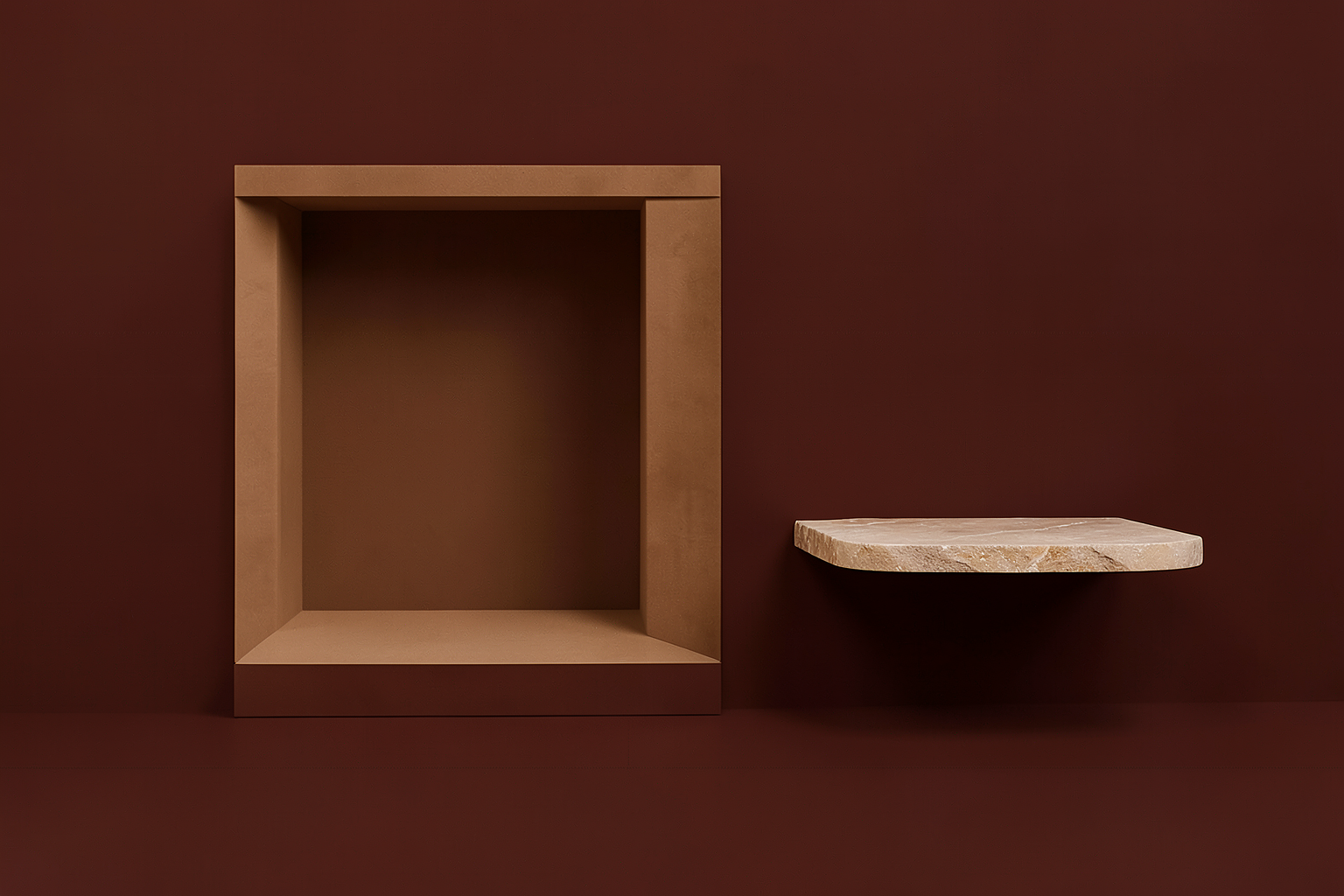
An illustrated study of an empty display space with room around it
Illustrative study of an empty display space; no available-stock claim.

Which measurements should I record?

Start with the space itself. Note the height, width and depth available, measured at the narrowest point rather than the most generous one. A shelf may be wide enough while a fixed shelf above it, a picture rail or a skirting board takes away the room you thought you had.

Then think about the route to the space and the room around it. Doorways, stairs and corners matter when a piece has to be carried in, and a display needs clear room in front so that it can be seen and reached without squeezing past other furniture.

  1. Record height, width and depth, using the tightest point.
  2. Add clearance around the space, not only inside it.
  3. Measure doorways and turns on the way in as well.
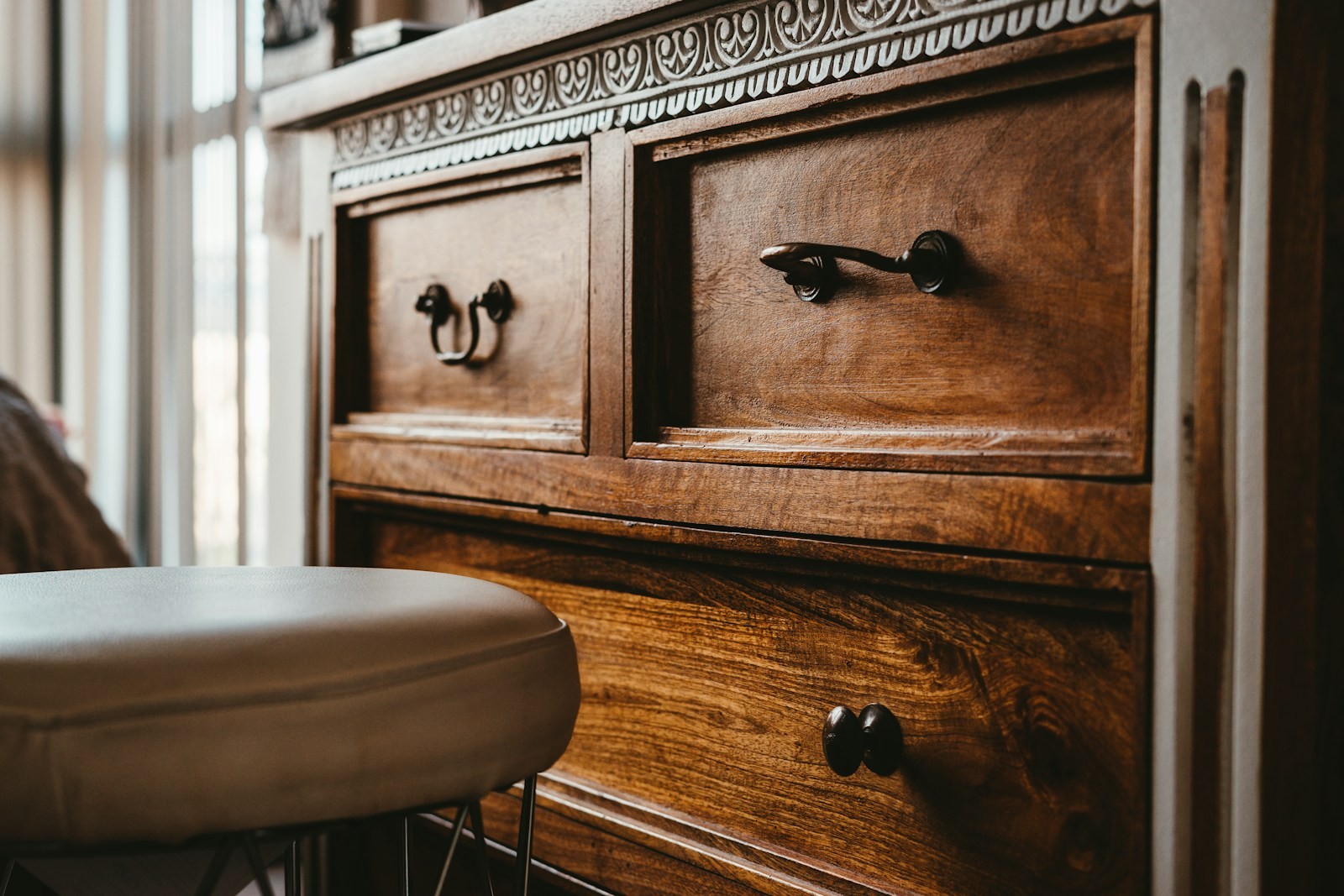
A wooden chest of drawers with visible drawer fronts and handles
A wooden chest of drawers, shown as a piece of furniture with a visible front and base. Stock photography, not an available item.

What should I ask about the object?

Ask for the object's own height, width and depth, and for its weight if that is known. Ask how it stands or hangs, whether it has a base, feet or fixings, and whether anything is loose, repaired or missing. Dimensions are most useful alongside a clear idea of how the piece is meant to be held.

With older materials, condition can change what is sensible. A surface that looks sturdy may be fragile, and an old fitting may not be a reliable point of support. Treat any answer as information to weigh, and seek suitable advice before relying on a shelf, bracket or wall for anything heavy or delicate.

  • Ask for all three dimensions and, if known, the weight.
  • Ask how the piece is supported and whether any part is loose or replaced.
  • Older materials and condition can limit what a support should carry.

What else affects the location?

Look at the light in the place you have chosen. Strong daylight from a window or a warm lamp close by can be a concern for some materials, paper and textiles among them, so it is worth asking whether the piece is likely to be sensitive and noting how much light the spot receives.

Think too about handling. A piece that sits high, deep or behind other objects will be harder to reach, and each time it is moved it is handled. Consider who will be near it, including children and pets. Fixing to a wall or building a special support is a job for suitable qualified advice, and we do not offer installation.

  • Note how much daylight and direct warmth the spot receives.
  • Choose a place you can reach without stretching or moving other items.
  • Take advice from a suitably qualified person for fixings or heavy supports.

How do I use this in an enquiry?

Write down your space measurements, what the piece would stand or hang on, the light in the room and who might handle it. Add the questions you could not answer yourself, such as weight, stability or whether a part is original.

The optional dimension study on this page compares two sets of numbers you enter and shows the difference in plain text. It cannot say whether a piece will fit or whether a position is safe, so use it only to organise your measurements before you ask.

  • Bring space measurements, support details and light notes.
  • List what you still need to ask.
  • The study compares your numbers only and gives no verdict.

Dimension study

Enter measurements in centimetres. Leave any box empty if you do not have the number yet.

Available space
Object
Empty dimension study A rectangle for the available space, front view. A second rectangle for the object appears inside or beside it when width and height are entered. The text status below gives the same comparison in words. Width Height Space not yet entered
Front view, to scale between the two rectangles. Depth is compared in the text below.

No numbers entered yet. Enter the space and object measurements, then choose Compare numbers. The study shows the difference in each direction and gives no verdict on fit or safety.

Shape your display question

Choose the situation closest to yours to see what to measure and ask. Then edit the draft below and open it in your own email app when you are ready. Nothing is sent from this page.

A small piece for a bookshelf

A shelf looks simple, but a fixed shelf above, a lip at the front or a narrow depth can all limit what stands there. Compare the object's depth with the shelf depth, and ask whether the piece is stable on a flat surface.

The shelf is 24 cm high, 30 cm wide and 18 cm deep. Could you confirm the piece's three dimensions and whether it stands steadily without a fixing?

A piece to hang on a wall

A wall display depends on weight, how the piece is fixed and what the wall is made of. Ask what the object weighs and how it is meant to hang, and take advice from a suitably qualified person before choosing a fixing.

I would like to hang something on a wall in a hallway. What does the piece weigh, how is it fixed at the back, and is any fitting old or replaced?

A cabinet or window position

A spot near a window or a lamp brings light and warmth that some materials may not tolerate well. Describe the position and ask whether the piece is likely to be sensitive to it.

The place I have in mind is beside a south-facing window. Is this piece likely to be sensitive to light or warmth, and what should I think about before choosing that spot?

Copy the draft into an email to [email protected]. Open your email app to review the message. If your text is not included, copy it manually. Nothing is sent or stored by this page.

Open your email app ↗

Your draft stays on this page. Read an example, edit the draft, or copy it into your own email app.

Vault & Vale / Correspondence

Ask about a piece for your space

Tell us the measurements and where you would like to display it, and we can pick up the questions with you. Your message is prepared in your own email app, so you can read and change it first.

Ask a display question ↗