
Vault & Vale
Collecting

Collecting guide

Getting started with collecting antiques and collectibles

A first collecting decision is easier when you can explain it in a sentence. Work through four short steps, then take your notes into an enquiry written in your own words.

Start with what you would be glad to keep

Interest is a better starting point than a shopping list. Think about what you return to again and again: a subject such as gardens or travel, a form such as small boxes or printed maps, or a use such as something to read, hold or place on a shelf.

Keep the first focus small. One subject, one form or one use is enough to start, and it can widen later as you learn what you actually enjoy living with.

  • Choose one of subject, form or use to begin.
  • Write the focus as a single plain sentence.
  • Treat it as a starting point you can change.

Record your space and your spending ceiling

Note where an object would go and roughly how much room it has: a shelf length, a table corner, a drawer. Measuring before you ask saves guesswork about whether something would fit and how it could be displayed safely.

Decide on a personal spending ceiling and keep a little of it back. Some costs may need confirming separately, so ask about them rather than assuming. This is a limit for your own comfort, not a view on what any object should cost.

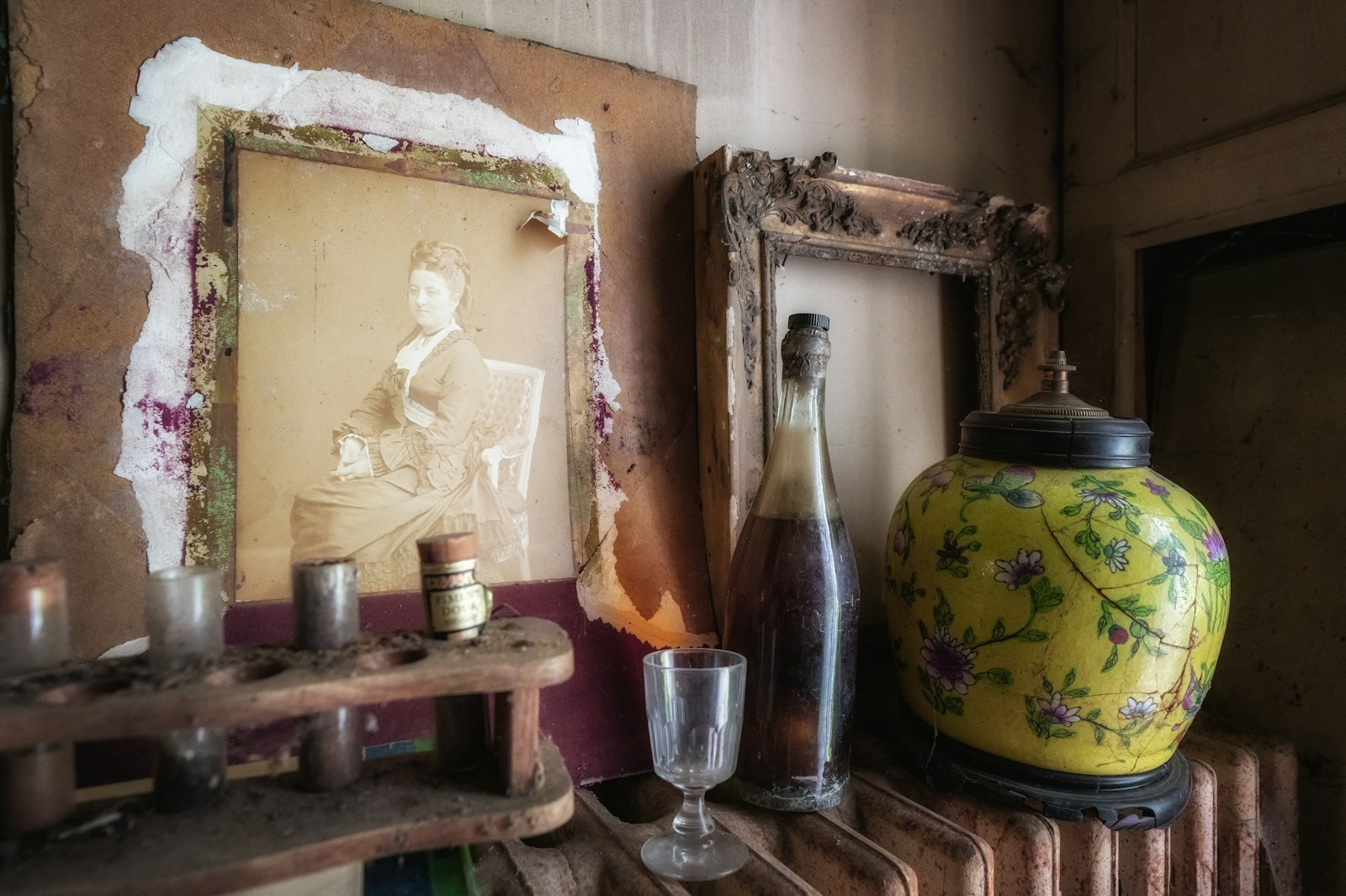
A yellow vase standing on a wooden shelf
A single object on a shelf, a reminder to measure the space first; illustrative photography, not available stock.
  • Write down the space available, with measurements if you can.
  • Set a ceiling you are comfortable with.
  • Leave room for costs that still need confirming.

Learn by comparing two objects side by side

Imagine two hypothetical small boxes, both described as Victorian. Ask first how closely each matches your focus. Then compare what is said about condition, such as wear, repairs or missing parts, and note what each description leaves out.

Gaps are useful. If one description gives dimensions and the other does not, or one mentions a maker and the other is silent, those are your questions. Comparing this way builds judgement without needing to settle on either object.

Hypothetical comparison of two small boxes
QuestionBox oneBox two
Matches my focus?Write your answerWrite your answer
Condition notesWrite your answerWrite your answer
DimensionsGivenNot given: ask
MakerSilent: askMentioned
  1. Check relevance to your focus first.
  2. Compare condition notes and what is missing.
  3. Turn each gap into a question to ask.

Put your first enquiry together

A good first message is short and specific. For example: I am interested in small boxes for a shelf about 30cm wide. Could you tell me about condition, size and any known maker details for anything that might suit?

Before you write, check that you have included your focus, your space, any ceiling you want to mention, and the questions you most want answered. Print this page as a checklist if that helps, then use the worksheet below to prepare text for your own email app.

  • State your focus and the space you have.
  • Ask about condition, size and what is not yet known.
  • Add only what you are comfortable sharing.

Prepare your first enquiry

Pick the example closest to how you are thinking, adjust the wording, then edit the draft. The note is prepared on this page for your own email app. Nothing is sent from here.

I like a subject

You are drawn to a theme, such as birds or the sea, but not yet to a type of object. Asking about forms that carry the theme helps you see what suits your space.

I am interested in objects with a bird theme. What forms might that include, and what should I ask about condition and size?

I like a type of object

You already know you enjoy a form, such as pocket watches or glass paperweights. The useful questions are about materials, wear and any marks that help identify it.

I am looking at glass paperweights. What can you tell me about condition, any marks and how each piece was made?

I want something to use or read

Your priority is how the object fits daily life, such as a book to read or a dish to place on a desk. Ask how handling and display might affect it.

I would like an old book I can read carefully. What should I know about condition, completeness and how to handle it?

Copy the draft into an email to [email protected]. Open your email app to review the message. If your text is not included, copy it manually. Nothing is sent or stored by this page.

Open your email app ↗

Your draft stays on this page. Read an example, fill in the fields, or copy the draft into your own email app.

Vault & Vale / Correspondence

Ready to ask your first question?

Bring your focus, your space and the questions you have noted. You can write in your own words, and a short, specific message is a good place to begin.

Start your enquiry ↗